
Key Takeaways
- Hydro jetting uses high-pressure water, ranging from about 1,500 PSI for light cleaning up to 4,000+ PSI for heavy commercial and industrial jobs and as high as 10,000 PSI in some commercial settings, to scour the full inside diameter of a pipe rather than just boring a hole through a clog, which is why its results tend to last longer than snaking
- Repeat clogs after snaking and several fixtures backing up at once are two of the clearest signs a commercial line needs a full cleaning rather than another quick cable run
- A camera inspection before jetting confirms the exact blockage and checks whether the pipe can safely handle the pressure, something older cast iron and clay lines in particular call for
- Scheduling jetting proactively can cost less than paying for emergency plumbing calls after hours, a detail worth weighing before the next backup hits
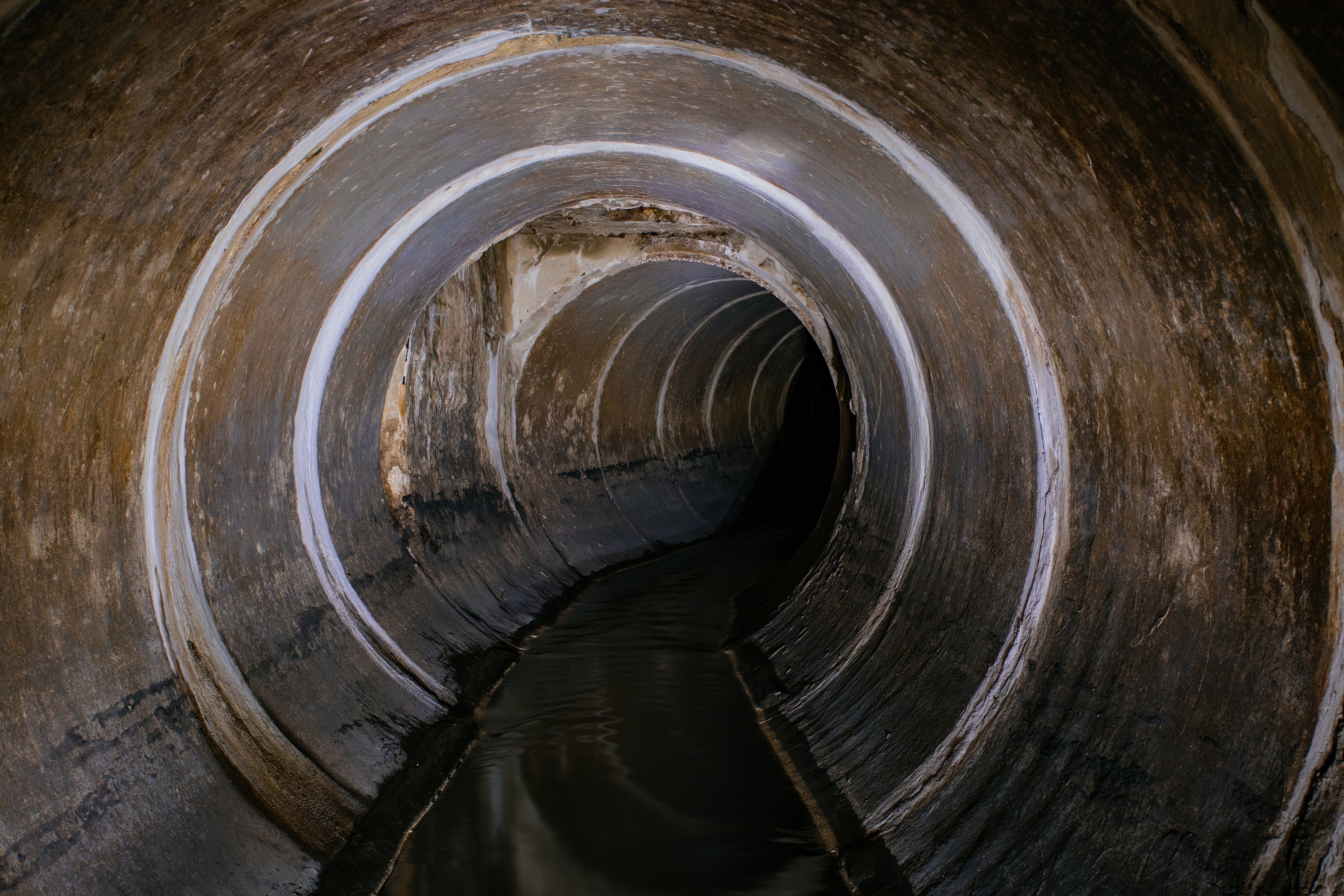
Commercial sewer lines take a beating. Restaurant kitchens push grease down the drain all day, office buildings run dozens of fixtures through one shared main, and older properties often carry decades of mineral scale and root intrusion working against them. When a drain backs up, the instinct is to call for a quick snake job and move on. That fix often doesn’t last.
High-Pressure Water That Clears What Snaking Can’t
Hydro jetting takes a different approach to clearing a clogged line. Specialists in the technique, K&R Mechanical Services, explain that, instead of punching a path through the blockage, it uses pressurized water to scrub the entire inside wall of the pipe clean. Pressures range from about 1,500 PSI for light cleaning jobs up to 4,000+ PSI for heavy commercial and industrial applications, and some commercial or industrial equipment can reach as high as 10,000 PSI. The biggest tell that a property needs jetting rather than another snake visit is a drain that clogs again within weeks of being cleared.
For property managers juggling tenant complaints, restaurant kitchens, and aging plumbing, understanding the difference between a temporary fix and a lasting one matters. A clogged line can shut down a kitchen, flood a floor drain, or trigger a health-code issue if it isn’t handled right. The sections below cover how hydro jetting works, when it’s the right call, and how it compares with traditional snaking.
What Hydro Jetting Actually Does
Hydro jetting is a drain and sewer cleaning method built around a specialized hose and nozzle. The nozzle is fed into the pipe through a cleanout or access point, and water is forced through it at high pressure. The nozzle design sets jetting apart from other commercial line-cleaning methods.
How the Forward and Rear Jets Work
The nozzle handles two tasks at once. A forward-facing jet cuts directly through whatever is blocking the pipe, whether that’s a grease clog, a mat of roots, or compacted debris. Rear-facing jets point backward and serve two purposes: they clean the pipe walls as the hose moves, and the force of that spray pulls the hose further down the line. Together, these jets clean the full inside diameter of the pipe instead of a narrow channel through the obstruction.
Why It Outlasts a Snaked Pipe
A cable machine, or drain snake, works by boring a hole through whatever is clogging the line. Flow gets restored, which can feel like a fix. The grease, scale, or sludge coating the rest of the pipe stays exactly where it was, ready to catch the next bit of debris that flows through. Hydro jetting removes that residue from the pipe wall instead of tunneling past it, which is why commercial properties that switch to jetting tend to see longer stretches between service calls. It also works well across a range of pipe materials, including steel, cast iron, clay, cement, and resin-based lines, making it a flexible option for older commercial buildings with mixed plumbing systems.
Warning Signs Your Line Needs Jetting
Not every clog calls for hydro jetting. A single soft clog in a hand-sink line is often fine with a snake. The signs below point to a line that needs a deeper clean.
Repeat Clogs After Snaking
This is the most common red flag property managers run into. A drain gets snaked, flows fine for a few weeks, then slows down again. That pattern almost always means buildup is still lining the pipe walls, waiting to catch new debris. Every repeat visit treats the symptom instead of the cause, which adds up in both service fees and tenant frustration.
Multiple Fixtures Backing Up at Once
One slow sink usually points to a localized branch-line issue. Several fixtures acting up together, such as floor drains gurgling while toilets drain slowly, or water rising in a floor drain whenever a dishwasher empties, points to a bigger restriction further down the system, often in the main building drain or sewer lateral. Main lines carry waste from the entire building, so a partial blockage there tends to show up in more than one place at the same time.
Grease, Roots, and Scale Buildup
Commercial kitchens generate fats, oils, and grease that cool and harden inside pipes over time, narrowing the interior much like plaque narrows an artery. Even with a well-maintained grease trap, some residue gets past and collects in the lines themselves. Older properties face a second challenge: mineral scale builds up inside aging pipes, and tree roots can work their way into joints and cracks, especially in cast iron or clay sewer lines. Hydro jetting is particularly effective against all three, since the high-pressure spray can cut through root masses and clean scale and grease off the pipe wall in a single pass.
Why a Camera Inspection Comes First
Jumping straight to hydro jetting without knowing what’s inside the pipe is a gamble. A camera inspection removes the guesswork before any high-pressure equipment goes into the line.
Confirming the Pipe Can Handle the Pressure
A camera run through the line shows exactly what’s causing the blockage, whether it’s grease caked on the pipe crown, mineral scale, or roots intruding at a joint. It also reveals the physical condition of the pipe itself, which matters because jetting applies real force to the inside of a line, and a pipe that’s already compromised needs a different approach. A follow-up camera pass after jetting is also common practice, confirming the line is fully clear and giving the property a record of the result.
Pipes That Call for Extra Caution
Hydro jetting is generally safe for pipes in sound condition, including many older cast iron and clay systems still in service across Houston-area commercial buildings. Extra caution is warranted in a few specific situations:
- Known pipe damage, such as cracks, offset joints, or a collapsed section
- Severely deteriorated cast iron, where corrosion has thinned the pipe walls
- Buildings with an unknown pipe history, where no one has ever seen inside the line
When a camera inspection turns up one of these conditions, a plumber can adjust the pressure and nozzle choice, or recommend a spot repair or repiping instead of jetting a pipe that isn’t ready for it.
Hydro Jetting vs. Snaking, Side by Side
Both methods have a place in commercial plumbing, and understanding what each one does makes it easier to pick the right tool for a given problem.
Snaking bores through a clog with a cable machine. It restores flow quickly, handles single soft clogs well, and doesn’t always require a camera inspection beforehand. Results tend to be short-lived if buildup remains on the pipe walls, since the cable only opens a narrow channel through the blockage.
Hydro jetting cleans the full pipe wall with high-pressure water. It is the stronger option for grease, scale, sludge, roots, and any line with a history of repeat clogs. Results tend to last longer because the residue causing the clog gets removed rather than tunneled past, though a camera inspection beforehand is recommended to confirm the pipe can handle it.
A single clogged toilet or one blocked hand-sink line is often fine with a snake. For main lines, commercial kitchen lines, and any drain with a pattern of repeat clogs, hydro jetting tends to be the better long-term fix.
Scheduled Jetting Beats Emergency Calls
Drain problems have a habit of showing up at the worst possible time: a Friday night rush, a weekend with no plumber on call, or right before a tenant walkthrough. Properties that wait for a line to fail completely end up paying for emergency service calls and after-hours shutdowns, on top of cleanup and potential lost business from a sewage backup. Commercial hydro jetting pricing depends on the line’s length and diameter, how accessible it is, how much buildup is inside, and whether a camera inspection is included; the most accurate way to price a commercial job is to have the line inspected first. Scheduling jetting on a routine basis, rather than reacting to the next emergency, gives property managers control over when the work happens instead of letting a failing pipe dictate the timeline.
A Cleaner Line Starts With Removing the Buildup, Not Just the Clog
A drain that keeps backing up is sending a message. Snaking can buy a little time, but if a commercial line shows repeat clogs, multiple fixtures backing up together, or visible grease and scale on a camera inspection, the real problem is what’s coating the inside of the pipe. Clearing that buildup, rather than punching a hole through it, keeps a commercial sewer line running reliably between service calls.
Property managers dealing with recurring backups don’t have to guess at the cause; a camera inspection paired with hydro jetting can identify exactly what’s inside a line and clear it properly the first time.
K&R Mechanical Services
+1 (281) 408-9414
12634 Haynes Road
Suite B
Houston
Texas
77066
United States


