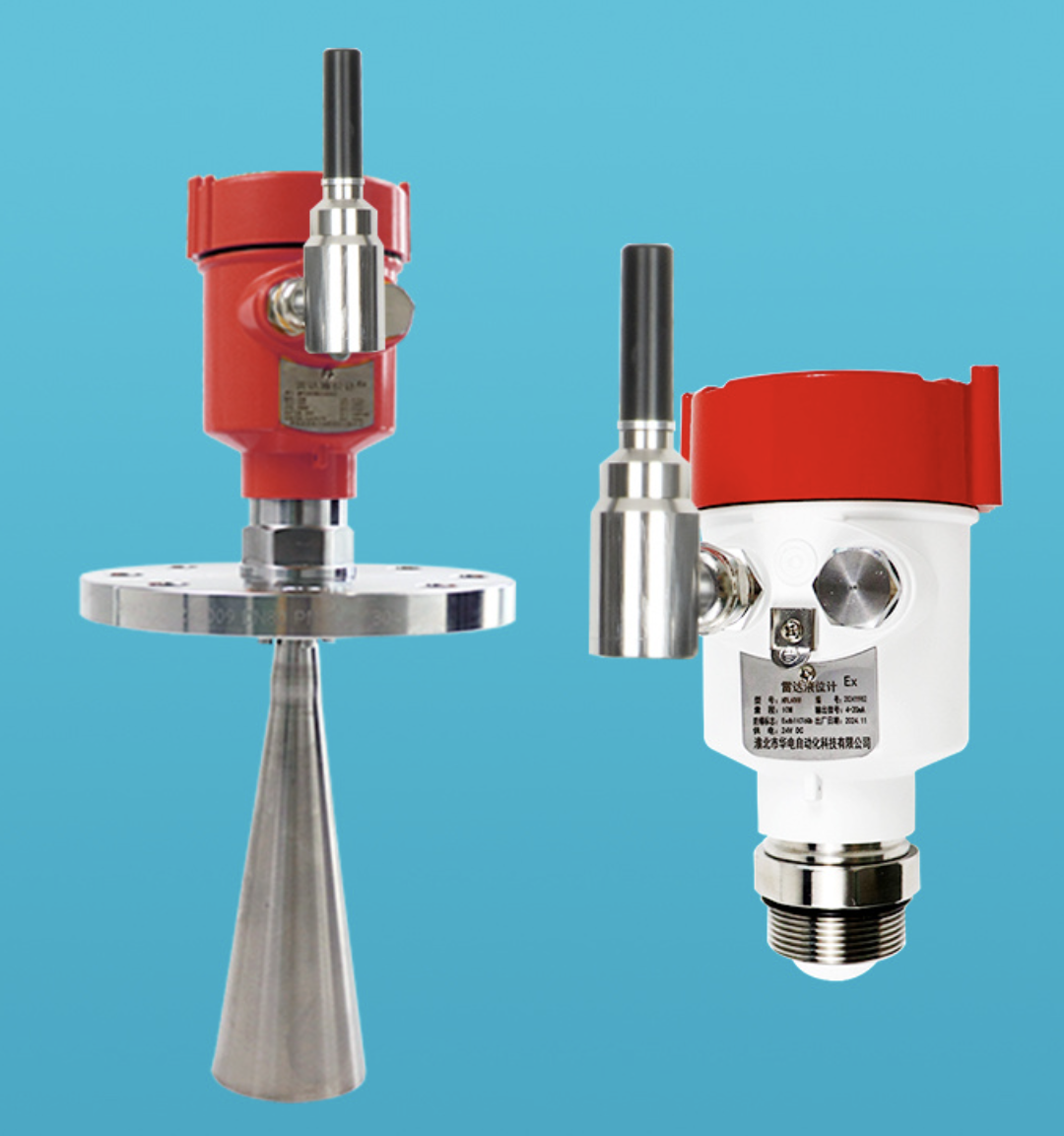
FENGYANG, ANHUI, CHINA, October 12, 2026 /EINPresswire.com/ — Industrial process automation relies on accurate continuous level measurement to maintain inventory control, protect process equipment, and streamline chemical dosing across manufacturing operations. Plant engineers must evaluate diverse vessel environments, ranging from ambient water storage reservoirs to pressurized reactor vessels containing corrosive fluids. Selecting the appropriate level sensing technology requires a thorough understanding of wave propagation physics, atmospheric interference, and operational budget parameters. While advanced radar transmitters deliver high performance under extreme conditions, acoustic sensors remain an exceptionally economical solution for many standard applications. Procuring a reliable Professional Microprocessor-Controlled Ultrasonic Level Meter From China gives process facilities a cost-effective, non-contact measuring instrument that achieves high accuracy in ambient liquid storage and open channel monitoring. By integrating intelligent digital signal processing, modern ultrasonic instruments filter out environmental interference and provide dependable level tracking without physical contact with the process medium. Evaluating physical vessel conditions allows engineering teams to match sensor capabilities with actual process requirements, preventing costly over-engineering while maintaining system reliability.
Boundary Layer Physics: Acoustic Wave Propagation versus Electromagnetic Radiation in Process Vessels
Understanding the fundamental physics behind acoustic and electromagnetic wave propagation is essential when designing industrial level measurement systems. Ultrasonic level meters operate by transmitting high-frequency mechanical sound waves through the vapor space above a liquid or solid surface. These acoustic pulses travel at the speed of sound, reflect off the target medium, and return to the piezoelectric transducer face. Consequently, ultrasonic measurement depends directly on the physical properties of the gaseous medium within the vessel. Changes in ambient air density, heavy steam concentrations, temperature stratification, and vacuum conditions directly alter sound velocity and attenuate acoustic signal strength. In open storage tanks, municipal water basins, and ambient chemical vessels, air properties remain stable, allowing ultrasonic waves to travel predictably and bounce back with strong echo amplitudes.
In contrast, electromagnetic radar transmitters emit high-frequency microwave pulses that travel at the speed of light. Electromagnetic radiation operates independently of gaseous atmospheres, passing through thick steam, heavy vapor clouds, and high-pressure gas environments without attenuation. Furthermore, radar waves function reliably inside vacuum chambers where mechanical sound waves cannot propagate at all. However, surface conditions affect both technologies differently. Heavy surface foam absorbs mechanical acoustic waves, creating acoustic dampening that weakens return echoes. Similarly, turbulent liquid surfaces deflect radar signals, though modern high-frequency radar units overcome turbulence through high signal-to-noise ratios. Identifying these boundary layer dynamics enables process managers to determine whether acoustic wave transmission offers sufficient signal integrity or whether electromagnetic sensing becomes physically mandatory.
Signal Integrity and Microprocessor Echo-Tracking Algorithms in Complex Atmospheric Conditions
Early generations of ultrasonic level instruments struggled in complex tank geometries due to acoustic interference and false reflections. Modern non-contact instruments resolve these historical limitations by incorporating high-speed microprocessors and intelligent digital signal processing algorithms. When an ultrasonic transducer emits an acoustic pulse, the signal scatters across internal vessel structures, such as agitator blades, heating coils, structural support beams, and wall welds. Advanced microprocessor-controlled meters analyze the complete return echo profile in real time, mapping static obstacle signals and dynamically distinguishing true liquid surface reflections from transient background noise.
Furthermore, intelligent algorithms adjust signal gain automatically to compensate for varying echo return strengths caused by surface ripples or ambient humidity shifts. Piezoelectric ceramic transducers feature optimized emission angles, focusing acoustic energy into a narrow beam pattern. This narrow beam angle minimizes sidewall acoustic coupling, preventing false echo registration in tall, narrow tanks. In addition, integrated temperature sensors built directly into the transducer face provide continuous thermal compensation. Because sound velocity varies with air temperature, the microprocessor calculates temperature-adjusted time-of-flight values constantly, maintaining high measurement accuracy across fluctuating ambient temperature profiles.
Comparative Instrumentation Matrix: Evaluating Ultrasonic, Radar, and Magnetic Flap Technologies
Achieving optimal plant automation requires comparing non-contact acoustic instruments against alternative level measurement technologies. Ultrasonic level meters provide significant financial and operational advantages in ambient, low-pressure applications. Because the sensor mounts above the liquid surface without contacting the process fluid, operators avoid chemical corrosion and mechanical wear. This non-contact design minimizes maintenance requirements and eliminates process shutdown risks during sensor inspection. In applications like municipal wastewater treatment, storm basin monitoring, and ambient acid storage, ultrasonic meters deliver sub-0.25% measuring accuracy at a fraction of the capital cost of radar units.
Conversely, when applications involve elevated temperatures, high vessel pressures, or volatile vapors, a threaded 80G radar level meter offers superior signal penetration. Operating at 80GHz produces an extremely narrow beam angle that penetrates thick dust and boiling vapor, ensuring reliable echo tracking under harsh reactor conditions. Beyond non-contact instruments, plant engineers frequently specify side-mounted stainless steel magnetic flap level gauges as a third complementary option. Magnetic flap gauges mount externally via bypass chambers, utilizing magnetic coupling to drive bright physical indicators. These mechanical visual indicators require zero electrical power, serving as an indestructible physical safety backup for high-pressure boilers, fuel storage tanks, and hazardous chemical vessels. Comparing these three technology classes allows procurement teams to balance environmental resilience against total equipment expenditure.
Strategic Application Mapping and Total Cost of Ownership (TCO) for Plant Engineers
Evaluating the total cost of ownership involves analyzing initial capital expenditure, installation complexity, power consumption, and long-term maintenance requirements. In municipal water distribution and wastewater treatment facilities, plant managers oversee dozens of monitoring channels across wide geographic areas. Installing ultrasonic level meters across pump lift stations, open channel flow flumes, and sludge settling tanks yields an exceptional return on investment. Ultrasonic devices consume minimal electrical power, integrate easily with solar-powered remote telemetry units, and require simple top-mounting installation without vessel modification.
However, applying ultrasonic meters in high-temperature chemical reactors or high-pressure distillation columns often leads to premature instrument failure and inaccurate readings. In such extreme process environments, the higher initial investment of an 80GHz FMCW radar transmitter or a heavy-duty stainless steel magnetic flap gauge becomes entirely justified. Radar sensors eliminate measurement drift caused by vapor pressure changes, while magnetic flap gauges provide continuous mechanical visual verification even during total power outages. By matching instrument selection strictly to vessel environmental profiles, plant engineers optimize initial capital allocation, reduce unneeded maintenance calls, and extend sensor operational lifespans.
Factory Engineering and Custom Sensor Manufacturing by HHD
Delivering dependable instrumentation across diverse industrial sectors requires versatile manufacturing capabilities and strict quality control. Supporting international automation demands, HHD(Huaibei Huadian Automation Technology Co., Ltd) maintains complete product lines covering ultrasonic, radar, and magnetic level measurement technologies. Operating under certified ISO 9001 quality management systems, Huaibei Huadian Automation Technology Co., Ltd utilizes advanced transducer potting equipment, automated electronic test benches, and precision calibration towers to manufacture high-reliability process sensors.
The engineering team at HHD customizes transducer housings using corrosion-resistant materials, including PTFE, PVDF, and high-grade stainless steel. These specialized protective encapsulations allow ultrasonic transducers to withstand aggressive chemical fumes and corrosive acid vapors in industrial storage tanks. Furthermore, Huaibei Huadian Automation Technology Co., Ltd integrates flexible digital output options into its microprocessor-controlled instruments, offering standard 4-20mA HART, RS485 Modbus RTU, and programmable relay contacts. This multi-protocol capability ensures seamless connectivity with central PLCs, DCS networks, and cloud-based IoT telemetry architectures. Through comprehensive factory testing and bespoke engineering support, HHD enables global plant operators to select the precise level instrumentation needed for safe, efficient process automation.
Conclusion: Objective Level Instrumentation Selection for Industrial Process Reliability
Selecting the correct level measurement technology remains a crucial decision for industrial plant efficiency and process safety. Non-contact ultrasonic level meters, high-frequency radar transmitters, and bypass magnetic flap gauges each serve distinct roles within modern fluid processing architectures. While 80GHz radar transmitters excel under extreme vapor and high-pressure conditions, microprocessor-controlled ultrasonic meters offer an unbeatable combination of accuracy and affordability in ambient liquid storage and water treatment applications. Partnering with a comprehensive manufacturer like HHD allows industrial process managers to access custom-engineered instruments, expert selection guidance, and verified factory quality across all primary level measurement technologies.
Official Website: https://www.hd-a.cn/.
HHD
HHD
Legal Disclaimer:
EIN Presswire provides this news content “as is” without warranty of any kind. We do not accept any responsibility or liability
for the accuracy, content, images, videos, licenses, completeness, legality, or reliability of the information contained in this
article. If you have any complaints or copyright issues related to this article, kindly contact the author above.

Media gallery