
Key Takeaways
- Pilates builds core strength, flexibility, and postural control through low-impact, controlled movement, while gym training tends to build more muscle mass and cardiovascular capacity
- Pilates works deep stabilizing muscles like the transverse abdominis, pelvic floor, and multifidus, which gym routines often leave undertrained
- Combining Pilates with gym workouts can sharpen lifting technique and lower injury risk, a pairing covered in detail below
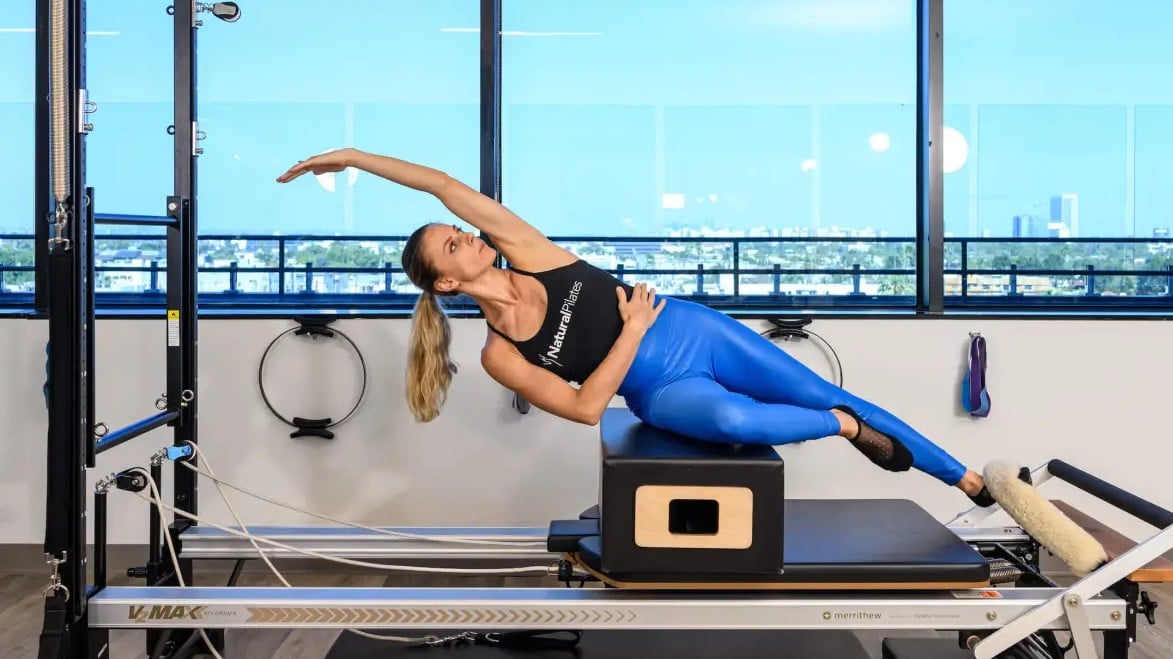
- On the eve of their South Miami studio opening, Natural Pilates notes that the right equipment can effectively train the body’s deeper stabilizing muscles – read on for more of their insights
Residents chasing fitness goals often land on the same question: should workouts revolve around Pilates, the gym, or some mix of both? Each approach builds the body in a different way, and understanding those differences makes it easier to choose a routine that fits personal goals rather than whatever happens to be trending.
Two Paths, One Goal: Fitness
Pilates and gym training both aim to make the body stronger, more capable, and more resilient, yet they get there through very different methods. Gym workouts typically rely on external resistance, like dumbbells, barbells, and machines, to build size and raw power in the body’s larger muscle groups. Pilates takes a slower, more deliberate route, using spring-based resistance and controlled breathing to train the smaller, often-overlooked muscles that keep the whole body stable and aligned.
Neither method wins out across the board. The right choice depends on what someone is training for, whether that’s building visible muscle, improving a 5K time, recovering from an old injury, or simply moving through daily life with less stiffness and more confidence.
What Makes Pilates Different
Pilates stands apart from traditional strength training because of what it asks the body to focus on: control, alignment, and the connection between breath and movement. Rather than chasing maximum weight or maximum reps, Pilates asks practitioners to slow down and pay attention to exactly how a movement feels and where it originates in the body.
Core Stability and Postural Control
The core is the engine of every Pilates exercise, and that focus goes well beyond visible abdominal muscles. Pilates targets the deep stabilizers, including the transverse abdominis, pelvic floor, and multifidus, which work together to support the spine and keep the body upright and balanced during movement. Consistent practice helps reinforce better alignment over time, a meaningful shift for anyone who spends long hours hunched over a desk or a steering wheel.
Because these stabilizing muscles rarely get direct attention in a typical gym routine, Pilates fills a gap that free weights and machines tend to miss. Better postural control also carries over into everyday activities, making it easier to stand, sit, and move without the nagging aches that come from years of poor alignment.
Low-Impact, Joint-Friendly Movement
Pilates is classified as a low-impact form of exercise, meaning it avoids the pounding, jarring forces that come with running, jumping, or heavy barbell lifts. That quality makes it especially appealing to people managing arthritis, recovering from an injury, or simply looking to balance out the wear and tear from higher-impact training elsewhere in their week.
Spring-based resistance, the kind used on reformer equipment, allows movements to be broken down into smaller, controllable pieces. This makes it possible to build strength without placing excessive stress on joints like the knees, hips, or shoulders, which is part of why physical therapists frequently recommend Pilates for clients working through pain or past injuries.
Flexibility, Balance, and Body Awareness
Flexibility work rarely gets the spotlight in a typical gym routine, yet it plays a major role in how well the body performs and recovers. Pilates exercises guide muscles through their full range of motion, which helps reduce tightness and supports faster recovery after heavier training sessions elsewhere.
Balance is another area where Pilates quietly excels. Many exercises challenge stability on purpose, whether through unstable surfaces or slow, controlled transitions, which sharpens coordination over time. That improved body awareness, often called proprioception, helps people sense where their body is in space without needing a mirror check, a skill that pays off in sports, daily tasks, and injury prevention alike.
Where the Gym Wins
Pilates has plenty of strengths, but the gym remains the better choice for certain fitness goals, particularly those centered on size, raw power, and heart-pumping cardiovascular output.
Building Muscle Mass and Power
Gym training is built around hypertrophy, the process of increasing muscle size through heavier loads, higher training volume, and progressive overload over time. Barbells, dumbbells, and resistance machines let lifters target specific muscle groups with enough intensity to trigger real growth, something that’s difficult to replicate with the lighter resistance used in most Pilates equipment. Anyone training specifically for size, strength records, or athletic power typically needs the heavier loading that gym equipment provides.
Cardiovascular Conditioning
Cardiovascular fitness depends on pushing the heart rate up and keeping it elevated, which is exactly what high-intensity gym activities like running, cycling, and interval training are designed to do. Pilates movements are generally too slow and controlled to create that same cardiovascular demand, even though they can leave muscles feeling fatigued. For anyone training toward a race, improving endurance, or working on overall heart health, gym-based cardio work remains the more direct path.
Injury Prevention: A Pilates Strength
Injury prevention is one area where Pilates consistently proves its value, especially for people who spend a lot of time lifting heavy or training at high intensity elsewhere.
Training the Deep Stabilizers
Many gym injuries trace back to weak or undertrained stabilizing muscles rather than a lack of strength in the prime movers. Pilates directly targets those smaller muscles, reinforcing the structures that protect joints during heavy lifts or explosive movements. Strengthening these stabilizers builds a more resilient foundation, which can make lifting technique safer and more consistent over time.
Breath, Control, and Avoiding Overload
Breath control sits at the center of every Pilates session, training practitioners to move with intention rather than brace and hold tension through an exercise. This kind of breathing awareness helps desensitize painful areas and builds a stronger mind-body connection, which can reduce stress along with physical tension. Gym training carries a higher injury risk when heavy weights are lifted with poor form or without proper technique, and slow, deliberate Pilates practice is specifically designed to correct that pattern.
Why Combining Both Works Best
Many fitness-minded people find that blending Pilates and gym training produces the best results, rather than picking one approach and abandoning the other.
Pilates Sharpens Gym Technique
Pilates teaches practitioners to control movement rather than simply muscle through it, and that skill transfers directly into the weight room. Improved body awareness makes it easier to notice when form starts to break down during a lift, which helps prevent the momentum-driven mistakes that often lead to overloading the wrong muscles. Many gym-goers who add Pilates to their routine report feeling steadier and more confident under heavier loads as a result.
Functional Movement for Everyday Life
Strength and power matter, but so does the ability to move well through ordinary daily tasks. Pilates trains functional movement patterns that make activities like getting up off the floor, carrying groceries, or climbing a flight of stairs feel noticeably easier. That functional carryover is part of why Pilates appeals to such a wide range of people, from beginners and seniors to elite athletes layering it on top of intense gym schedules.
The Verdict: Complementary, Not Competing
Pilates and gym training each bring something valuable to a well-rounded fitness routine. Studios like Natural Pilates deliver core strength, flexibility, postural alignment, and injury prevention through careful, joint-friendly movement, while the gym remains the stronger choice for building significant muscle mass and cardiovascular endurance. Treating the two as teammates rather than rivals gives fitness enthusiasts a more complete, balanced approach to long-term health.
For anyone ready to put that balance into practice, consider checking out a Pilates class schedule as a practical first step toward pairing controlled, low-impact training with an existing gym routine.
Natural Pilates – South Miami
info@naturalpilates.com
7212 SW, 57th Avenue (Red Road)
South Miami
FL
33143
United States


