
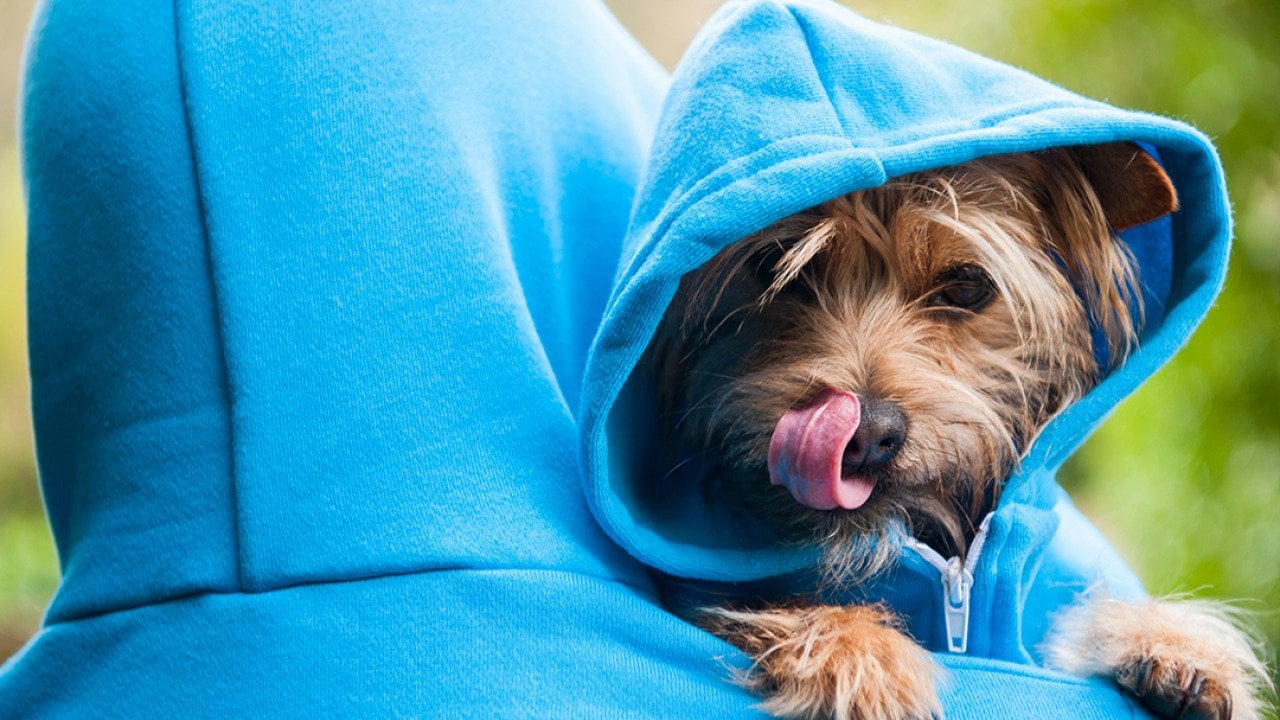

PeskyMonkey // Shutterstock
Accessory-first dogs: The rise of the dog-walking wardrobe
For decades, the daily dog walk was a utilitarian task. Owners typically headed out in mismatched activewear and discarded footwear, prioritizing function over form. That binary is shifting. A fundamental change in consumer behaviorâdefined by economists as “pet humanization”âhas transitioned this chore into a significant economic driver. Today, the luxury and athleisure sectors are no longer catering solely to the owner; they are designing for the “unit.”
The shift is backed by significant capital. According to the 2024 Pet Accessories Market Report by Grand View Research, the global pet accessories market is projected to reach $9.97 billion by 2030. This 6.9% compound annual growth rate is primarily fueled by Millennial and Gen Z owners who view their pets as indispensable family members and extensions of their personal brand.
In the modern retail landscape, discretionary spending on pet-specific textiles is no longer a niche luxuryâit is a core market segment. In this article, Pink Papyrus examines what’s driving the shift and how it’s reshaping the pet accessories market.
Dog Walking Is the New Catwalk
The transition from basic nylon leashes to coordinated, high-performance gear is a result of market premiumization. As 2023 survey data from the Pew Research Center revealed, 97% of U.S. pet owners consider their pets part of the family, with a record-high number of households prioritizing “pet-themed merchandise” and “coordinated accessory sets.”
For major fashion houses, this demographic shift represents a massive opportunity for brand extension. For instance, LVMH-owned brands and independent luxury labels like Moncler have integrated pet-specific apparel into their main collections, recognizing that the “access economy” is being replaced by a desire for permanent, high-quality asset accumulationâeven for four-legged companions.
Hardware Premiumization and Consumer Behavior
The rise in specialized dog-walking gear is a primary indicator of market premiumization within the pet sector. Information from some industry leaders indicates a significant shift in purchase intent toward coordinated “hardware” setsâspecifically integrated collar, harness, and leash systems.
Rather than viewing these items as purely utilitarian, modern pet parents are selecting gear based on textile durability and aesthetic alignment with their own activewear. This “coordinated unit” approach is a departure from historical buying patterns, where accessories were replaced only upon mechanical failure.
Industry sales data highlights that high-visibility colors and bespoke hardwareâsuch as charms and high-performance clipsâare now secondary value drivers, reflecting the owner’s desire for a personalized, “mobile third space” during daily transit.
Environmental Factors Driving Apparel Choice
The shift toward premium dog-walking apparel is not a uniform movement; rather, it is driven by specific utility requirements and environmental contexts. Market analysts categorize this behavior into three distinct scenarios that define the current “pet humanization” landscape.
While convenience remains a factor in short-duration outdoor activity, the broader market trend reflects a move toward specialized equipment and apparel designed for durability and social signaling.
High-Impact Durability and Textile Integrity
In environments requiring high physical activity, such as public parks, owners are increasingly prioritizing textile durability and soil-release properties.
The demand for high-performance apparelâincluding high-compression synthetics and ripstop joggersâparallels the growth of the pet hard goods market, which reached $29.87 billion in 2024. For these interactions, owners typically select gear with reinforced, high-tensile hardware and earth-toned palettes to mask environmental wear while ensuring mechanical safety.
Urban Utility and Integrated Mobility Solutions
The “urban stroll” has become a primary driver for integrated mobility technology. In dense metropolitan environments, the focus is on “technical comfort” and multitasking efficiency. This has led to the widespread adoption of waist-integrated bungee systems and hardware coated in TPU (thermoplastic polyurethane), which provides weatherproofing and high-visibility safety.
Rather than traditional handheld leads, urban owners are opting for hands-free systems that offer better control and more ergonomic weight distribution. This aestheticâpairing technical outerwear with performance-grade pet gearâreflects a move toward “functional synchronization,” where the gear is evaluated by its ability to facilitate seamless transit through complex city landscapes.
Socializing in Dog-Friendly Spaces
As more coffee shops and retail stores allow pets, the way owners dress for a walk has changed. In these social settings, pet accessories are often chosen to match the owner’s personal style rather than just for utility.
This trend has led to the rise of “coordinated sets,” where the materials of a dogâs leash or collarâlike leather or suedeâare selected to complement the ownerâs outfit. This creates a consistent look for those moving between an outdoor walk and an indoor social environment.
The Future of the Pet Humanization Economy
As the “pet humanization” trend continues to mature, the distinction between human athleisure and pet accessories is expected to blur further. Industry analysts suggest that the move toward high-quality, coordinated gear is part of a larger shift in how consumers view their daily routinesânot just as chores, but as opportunities for personal expression and social engagement.
This evolution reflects a broader change in the retail landscape, where the “access economy” is being replaced by a desire for durable, high-quality assets. For the modern pet owner, the daily walk has transitioned from a basic necessity into a primary driver for the luxury and technical apparel markets, signaling a permanent change in consumer discretionary spending.
This story was produced by Pink Papyrus and reviewed and distributed by Stacker.