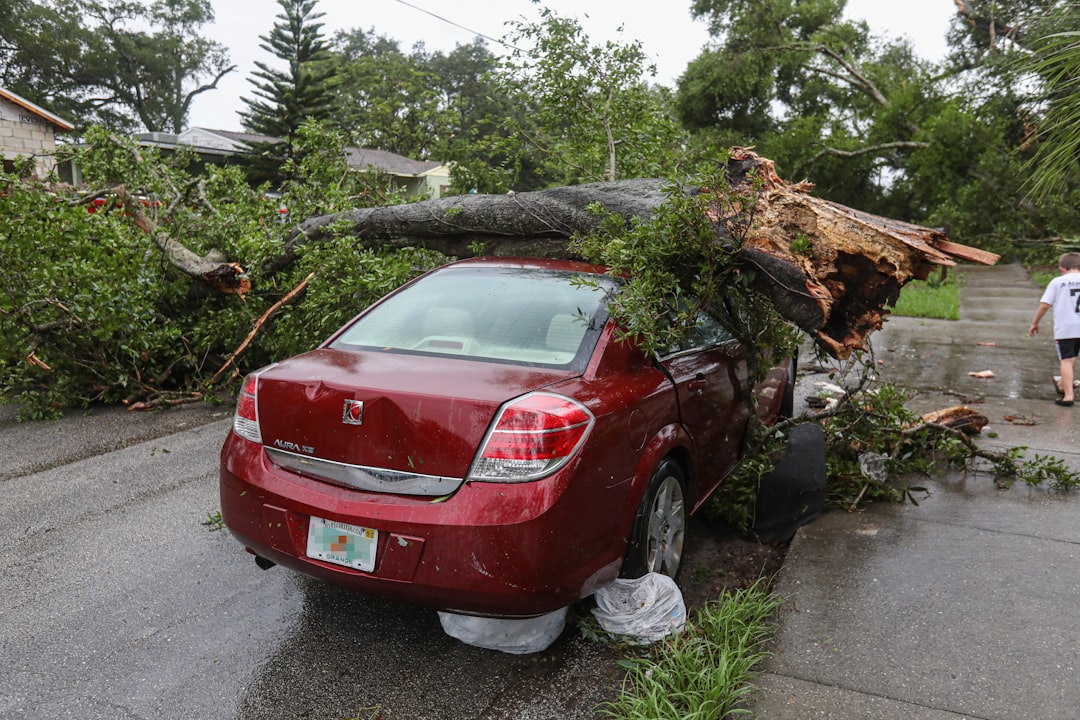
 Photo from Unsplash
Originally Posted On: https://www.unitedrestorationfl.com/hurricanes-typhoons-monsoons-cyclones-whats-the-difference/
Every Floridian Knows the Sound of the Storm
Each summer, Florida watches the tropics come alive. A swirl on the radar can become a named hurricane overnight, while news from the Pacific talks about “typhoons” or “cyclones.”
To many, these seem like different phenomena, but they’re all variations of the same natural force. Understanding how they form and where they strike helps homeowners, business owners, and emergency managers prepare effectively and recover faster.
Key Takeaways
-
Hurricanes, typhoons, and cyclones are the same type of storm, a tropical cyclone, named differently based on where they form.
-
Monsoons are seasonal wind and rain patterns, not rotating storms.
-
In Florida, hurricane season peaks from June to November, bringing major flooding and wind risk.
-
Quick professional response after any tropical event prevents structural damage and mold.
-
United Restoration provides 24/7 certified recovery for hurricane and storm damage across Florida.
Understanding the World’s Most Powerful Storms
Scientists classify rotating tropical storms by region, not by fundamental difference. These systems draw energy from warm ocean water and form organized low-pressure centers. When sustained winds reach 74 mph (119 km/h), a tropical storm becomes a tropical cyclone, called a hurricane, typhoon, or cyclone depending on location.
Meanwhile, a monsoon refers to a shift in prevailing wind direction that brings prolonged rainy seasons, not spinning storms but large-scale weather patterns that can still cause severe flooding.
What Is a Hurricane?
A hurricane is a tropical cyclone that forms over the Atlantic Ocean or northeastern Pacific. Florida, the Gulf Coast, and Caribbean nations face these most frequently. Warm sea temperatures feed storm development, and as moist air rises and condenses, it releases energy that fuels rotation.
Where Hurricanes Form & When They Peak
Most Atlantic hurricanes develop between June 1 and November 30, with peak activity from August through October, according to the National Hurricane Center (NOAA).
In Florida, storms like Ian (2022) and Irma (2017) demonstrated how high winds, storm surge, and inland flooding can devastate communities even far from the coastline.
What Is a Typhoon?
A typhoon is simply a hurricane that occurs in the northwestern Pacific Ocean, affecting regions such as Japan, the Philippines, and coastal China. The Pacific’s warmer water and larger expanse mean typhoons can grow even stronger than Atlantic hurricanes.
Why Western Pacific Storms Are So Intense
According to the World Meteorological Organization, typhoons benefit from longer open-water travel and less vertical wind shear, which lets them maintain strength. While they don’t directly affect Florida, they help meteorologists study storm behavior, valuable knowledge for predicting Atlantic systems.
What Is a Cyclone?
In the Indian Ocean and South Pacific, these same storms are called cyclones. Countries such as India, Bangladesh, and Australia experience frequent cyclone seasons. While terminology changes, structure and destructive potential remain identical: low-pressure cores, heavy rain, and strong spiraling winds.
Cyclone Patterns Around the Globe
Cyclones follow seasonal wind patterns: April–June and September–December in the Indian Ocean. Australia’s Bureau of Meteorology reports that coastal flooding and infrastructure damage are comparable to what Florida faces from hurricanes.
What Is a Monsoon?
A monsoon is a seasonal reversal of wind direction that brings heavy rainfall over extended periods. Unlike hurricanes, monsoons are not circular storms. They can, however, cause catastrophic flooding when persistent rainfall overwhelms rivers and drainage systems.
Seasonal Patterns and Rainfall Impact
The South Asian monsoon dominates countries such as India, Bangladesh, and Thailand from June through September. In the U.S., Florida’s “rainy season” (May–October) shares similar features — sustained moisture and frequent thunderstorms that can saturate soil and elevate flood risk.
Hurricanes vs. Typhoons vs. Cyclones vs. Monsoons
Key Differences Table
| Feature | Hurricanes | Typhoons | Cyclones | Monsoons |
|---|---|---|---|---|
| Type | Tropical cyclone | Tropical cyclone | Tropical cyclone | Seasonal weather pattern |
| Formation Region | Atlantic & NE Pacific | NW Pacific | Indian & South Pacific Oceans | Asia & tropical regions |
| Wind Speed Threshold | ≥74 mph | ≥74 mph | ≥74 mph | Variable; wind shift, not rotational |
| Season | June–Nov (peak Aug–Oct) | May–Dec | Varies by basin | Typically June–Sept |
| Rotation Direction | Counterclockwise (N. Hemisphere) | Counterclockwise | Clockwise in S. Hemisphere | Not applicable |
| Primary Hazards | Wind, surge, flooding | Wind, surge, flooding | Wind, flooding | Heavy rain, landslides |
| Florida Relevance | Direct | Indirect (scientific comparison) | Indirect | Seasonal rainfall analog |
Real-World Impact: Florida’s Storm History
Florida endures more hurricane landfalls than any other U.S. state. According to NOAA, over 120 hurricanes have hit since official record-keeping began in 1851. Events like Hurricane Andrew (1992) and Hurricane Ian (2022) reshaped building codes and emergency planning statewide.
Each storm teaches new lessons in mitigation, early evacuation, and post-storm recovery.
Key takeaway: even moderate tropical storms can cause major water damage, especially from storm surge or roof leaks, both common insurance claim triggers.
Learn how United Restoration manages water damage restoration after severe storms.
How United Restoration Responds to Major Storms
When hurricanes or monsoonal rains flood homes and businesses, fast professional help is essential. United Restoration operates a 24/7 emergency response team trained under IICRC safety standards to handle:
-
Water extraction and drying with industrial dehumidifiers
-
Structural repair and sanitization to prevent mold
-
Insurance documentation and claim assistance
-
State-wide mobilization before and after major weather events
During Hurricane Ian, United Restoration’s crews assisted multiple counties with same-day water removal, debris cleanup, and disinfecting. Experience from those operations informs every current recovery plan. Discover our storm damage restoration process.
People Also Ask: Storm & Recovery FAQs
How to Stay Prepared in Florida
Living in a hurricane-prone state means planning ahead every year:
-
Monitor forecasts from NOAA and the National Hurricane Center.
-
Keep emergency kits stocked with water, batteries, and first-aid supplies.
-
Store digital copies of insurance documents.
-
Partner with a restoration company familiar with Florida’s unique building codes and humidity challenges.
United Restoration provides experience-based readiness checklists for homeowners and property managers to minimize loss before, during, and after storms.
Knowledge + Action = Faster Recovery
While the names vary, hurricane, typhoon, cyclone, or monsoon, their effects can devastate communities. Understanding each system helps you prepare and respond confidently. For Florida residents, that means knowing who to call when floodwaters rise or roofs give way.
People who live in areas vulnerable to natural disasters should begin by gathering information. It is critical to understand the differences between a typhoon and a hurricane and the importance of being prepared.
If your property has been affected by these destructive forces, United Restoration is here to provide professional disaster recovery services, including water damage restoration and mold remediation. For expert assistance in safeguarding your home and restoring it after a storm, contact United Restoration right now. Certified, experienced, and ready before the next season begins.