Palliative Care for Stroke Survivors: Improving Quality of Life After a Major Event
Aubrey, United States – January 26, 2026 / Sovereign Hospice /
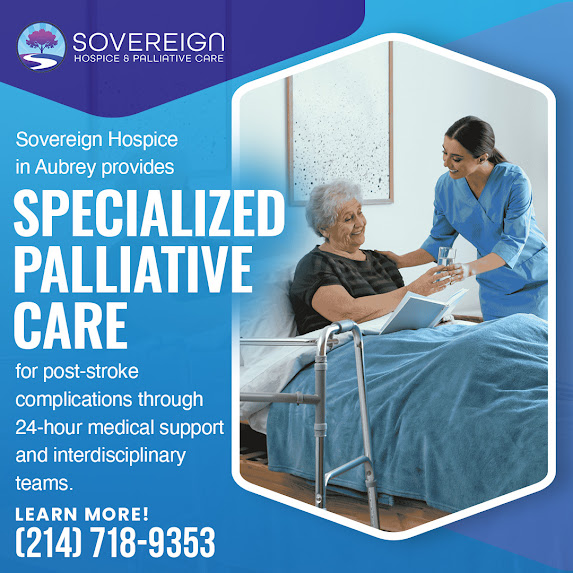
Aubrey, TX–Stroke survivors and their families often encounter unexpected challenges during recovery that require specialized medical support beyond traditional rehabilitation services. Sovereign Hospice in Aubrey, Texas, addresses these complex needs through targeted palliative care programs designed specifically for post-stroke complications.

Hospice Home Care Services Address Post-Stroke Complications
Medical research indicates that stroke recovery involves more than physical rehabilitation. Many survivors experience persistent symptoms that impact daily life for months or years following their initial event. Hospice home care services provide comprehensive support for managing these ongoing challenges while allowing patients to recover in familiar surroundings.
Post-stroke pain affects approximately 30% of survivors, manifesting as headaches, muscle spasticity, or neuropathic sensations. Fatigue represents another common issue, with many patients reporting exhaustion after minimal activity. Depression occurs in roughly one-third of stroke survivors, creating additional barriers to recovery.
24-Hour Medical Support Through Hospice At Home Service
Sovereign Hospice delivers hospice at home service in the DFW region with round-the-clock nursing support for urgent symptom management. The team responds to emergency calls within 30-45 minutes throughout the Dallas-Fort Worth Metroplex. This immediate availability reduces hospital readmissions and provides families with confidence during difficult situations.
Medical equipment and pharmaceutical supplies are delivered directly to patients’ homes when needed. The pharmacy operates 24 hours a day to address urgent medication requirements. Nursing visits occur regularly based on individual care plans, with frequency adjusted according to changing patient needs.
Understanding Hospice Versus Palliative Care Options
Families often struggle to understand the differences between hospice versus palliative care approaches. Both services focus on comfort and symptom management, but serve distinct situations in the recovery process. A clear understanding of these options helps families make ideal decisions about appropriate care levels.
Palliative Versus Hospice Care Decision Factors
Palliative versus hospice care choices depend on several key factors:
-
Prognosis and expected recovery potential
-
Current treatment goals and rehabilitation plans
-
Patient preferences regarding aggressive interventions
-
Family support systems and caregiving capacity
-
Insurance coverage and financial considerations
Palliative care can begin immediately after stroke diagnosis and continues alongside active treatments. Patients may still pursue physical therapy, speech rehabilitation, and other recovery services while receiving palliative support for symptom management.
Hospice care typically begins when curative treatments are no longer beneficial or desired by the patient and family. The focus shifts completely to comfort measures and end-of-life support services.
Services Hospice Offers for Integrated Stroke Care
Services hospice offers extend beyond basic medical management to address the emotional, spiritual, and practical needs of stroke survivors and their families. The interdisciplinary team includes physicians, registered nurses, social workers, spiritual care coordinators, and certified nursing assistants.
Medical Management and Symptom Control
Physicians specializing in post-stroke care develop individualized treatment plans for managing complex neurological symptoms. Common interventions include medication adjustments for seizure control, spasticity management, and pain relief protocols. The medical director coordinates with existing healthcare providers to prevent treatment conflicts.
Social workers help families navigate insurance questions, advance directive planning, and community resource connections. They provide emotional support and counseling services tailored to each family’s specific circumstances and cultural preferences.
Family Education and Caregiver Support
Family members receive detailed education about caring for stroke survivors safely at home. Training covers recognizing warning signs, assisting with daily activities, and providing emotional support during challenging periods. This preparation reduces caregiver stress and builds confidence in managing complex care situations.
Volunteer services supplement professional care through companionship visits, respite support, and assistance with non-medical tasks. Bereavement support continues for 13 months following patient death when applicable.
Research Supporting Palliative Care Benefits
Recent medical studies demonstrate significant advantages of early palliative care involvement for stroke survivors. Research published by the American Heart Association shows that palliative approaches improve communication between healthcare teams and families, leading to better treatment decisions.
Evidence suggests that a significant proportion of stroke patients are discharged home without adequate support services, creating gaps in post-acute care. Palliative care programs help bridge these gaps by providing coordinated support during transitions between care levels.
Hospital length of stay may be reduced when palliative care teams are involved early in the treatment process. Quality of life measures consistently improve for both patients and family members receiving palliative support services.
Getting Started with Compassionate Hospice Home Care in DFW

Sovereign Hospice accepts referrals from physicians, hospitals, and directly from families throughout the Dallas-Fort Worth area. Initial consultations occur within 24 hours of referral to begin immediate symptom relief and support implementation. The organization accepts all major insurance plans, including Medicare, Medicaid, and private coverage options.
For more information about hospice home care services at DFW, contact Sovereign Hospice at (214) 718-9353 or info@sovereignhospice.com. The compassionate care team is available 24 hours a day to answer questions and provide guidance during this challenging journey.


Contact Information:
Sovereign Hospice
1916 Steppe Trail Dr
Aubrey, TX 76227
United States
Baaba Sampson
(214) 718-9353
https://sovereignhospice.com


Original Source: https://www.sovereignhospice.com/palliative-care-for-stroke-survivors-improving-quality-of-life-after-a-major-event