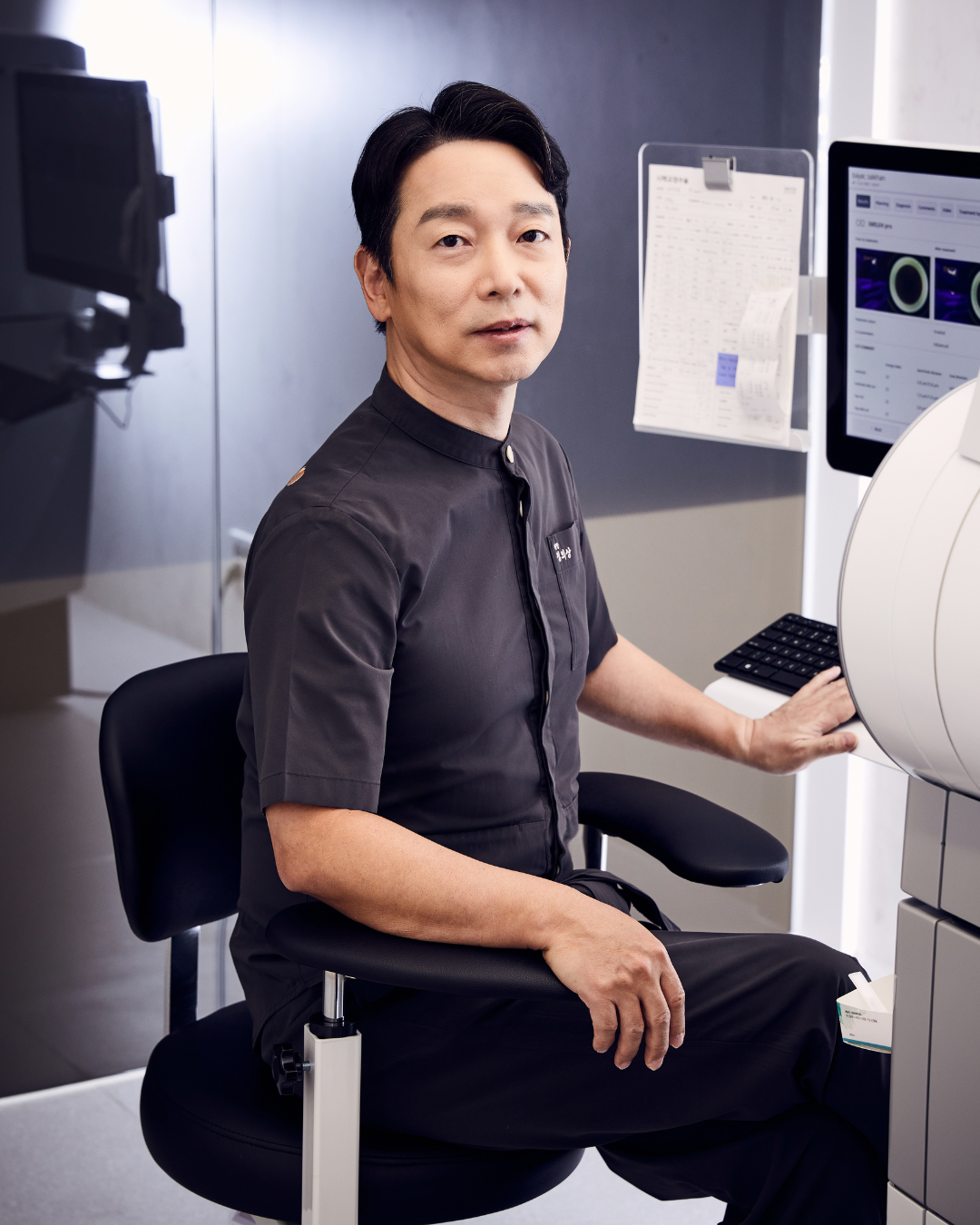
SNU Eye Clinic explains the importance of precise examinations, lens selection, and postoperative care for cataract surgery.
SEOUL, SOUTH KOREA, October 27, 2026 /EINPresswire.com/ — As more overseas patients consider traveling to South Korea for treatment of presbyopia and cataracts, attention is increasingly focused on the importance of accurate preoperative examinations, appropriate intraocular lens selection, and postoperative care.
Presbyopia and cataracts often occur together in people over the age of 50. Accurately identifying the causes of vision changes and selecting treatment suited to each patient’s eye condition are therefore essential. For patients considering presbyopia and cataract surgery in South Korea, the decision involves more than the surgical procedure itself. A comprehensive approach that includes preoperative assessment, lens selection, and postoperative follow-up is also important.
Understanding the Difference Between Presbyopia and Cataracts
Cataracts develop when the natural lens inside the eye becomes cloudy, resulting in blurred vision and reduced visual acuity. The condition becomes more common with age. Typical symptoms include blurred vision, glare, halos around lights, and reduced contrast.
Presbyopia, by contrast, occurs when the eye’s ability to adjust focus decreases, making it more difficult to focus on nearby objects. Although the two conditions may occur together, their underlying causes and treatment approaches differ.
Precise Examinations and Appropriate Lens Selection
Cataract surgery involves removing the cloudy natural lens and replacing it with an artificial intraocular lens (IOL). The type and optical characteristics of the implanted lens can influence postoperative visual quality and everyday visual comfort.
For this reason, a comprehensive examination of the cornea and retina, astigmatism, pupil size, and other relevant factors is important. Patients’ daily activities, lifestyle habits, and typical viewing distances should also be considered when determining the most appropriate lens.
Intraocular lenses are generally classified according to their optical characteristics, including monofocal, extended depth of focus (EDOF), and multifocal lenses.
Monofocal lenses are designed to provide clear vision primarily at a particular distance. EDOF lenses extend the range of focus, helping provide a continuous range of vision from distance to intermediate. Multifocal lenses distribute light across multiple focal points and may help provide vision at far, intermediate, and near distances.
Understanding the Potential Visual Side Effects of Multifocal Lenses
Despite their potential benefits, multifocal intraocular lenses may cause visual disturbances, including nighttime halos, glare, and reduced contrast sensitivity, depending on their optical design.
Patients who frequently drive at night or are sensitive to light should therefore consider more than the possibility of reducing their dependence on glasses. Understanding the characteristics of each lens option and the potential visual disturbances associated with it is an important part of preoperative decision-making.
Following surgery, patients may experience temporary visual discomfort while adapting to the optical characteristics of the new intraocular lens. The adaptation period varies from person to person, and some symptoms may improve over time.
However, persistent vision deterioration, severe pain, redness, or sudden changes in vision warrant prompt ophthalmic evaluation.
Postoperative Follow-Up and Care for Overseas Patients
Structured postoperative care is also an important part of recovery. Patients should use prescribed eye drops according to instructions and attend regular follow-up examinations to monitor visual acuity, intraocular pressure, intraocular lens position, and overall recovery.
For patients traveling from overseas, it is advisable to plan postoperative care before surgery, taking into account the length of their stay in South Korea and the timing of follow-up examinations after returning home.
Located near Sinsa Station in Gangnam, Seoul, SNU Eye Clinic provides a clinical environment with interpretation support in multiple languages, including English, Chinese, Mongolian, and Russian. This service helps overseas patients understand their examination results, the characteristics and selection criteria of different intraocular lenses, and precautions before and after surgery.
SNU Eye Clinic Emphasizes Individualized Treatment Planning
Dr. Chung Eui Sang, Chief Director of SNU Eye Clinic in Gangnam, explained, “Presbyopia and cataract surgery involves more than simply removing a cloudy lens. Selecting an intraocular lens that is appropriate for each patient’s eye condition and lifestyle is equally important. Multifocal intraocular lenses, in particular, may cause visual disturbances such as halos or reduced contrast sensitivity depending on their optical characteristics. Thorough preoperative examinations and consultations are therefore essential.”
He added, “Overseas patients should also consider their schedules to ensure that postoperative follow-up is possible. Continuing regular eye examinations and using prescribed eye drops appropriately after surgery can help support a stable recovery.”
Dr. Chung Eui Sang completed his bachelor’s, master’s, and doctoral studies at Seoul National University College of Medicine and underwent clinical training at Seoul National University Hospital. He subsequently served as a professor at Samsung Medical Center and as a research professor at Harvard Medical School in the United States.
He has continued his clinical and academic work in cataract and refractive surgery and was named to the 2026 Power List Top 50 by the British ophthalmology publication The Ophthalmologist. Dr. Chung has also personally undergone cataract surgery, giving him firsthand experience of the condition and its treatment.
Samantha
SNU Eye Clinic
+82 10-5495-9632
snueye@snuseoul.com
Visit us on social media:
Instagram
Facebook
YouTube
TikTok
Other
Legal Disclaimer:
EIN Presswire provides this news content “as is” without warranty of any kind. We do not accept any responsibility or liability
for the accuracy, content, images, videos, licenses, completeness, legality, or reliability of the information contained in this
article. If you have any complaints or copyright issues related to this article, kindly contact the author above.

Media gallery