
Key Takeaways
- Fluent Trends data shows a $1,562.99 reclaimed wood sideboard built to last 40 years costs less per year than a $400 mass-produced alternative replaced every five years
- Solid wood furniture typically lasts 20 to 50 years or more, and in many cases over 100 years, while pieces made from particleboard or MDF tend to wear out and need replacing much sooner
- Precise joinery and hands-on construction give artisan furniture structural integrity that assembly-line methods rarely match
- Artisan workshops tend to generate less waste and rely more on local materials, giving handcrafted furniture a lighter environmental footprint
- Curating a home with intentional, heirloom-quality pieces fits naturally into the quiet luxury look defining 2026 interiors
Furniture shopping usually comes down to a simple question: pay more now, or pay again later? That question sits at the center of the debate between handcrafted and mass-produced furniture, and the answer has more to do with materials and construction than with sticker price alone.
A $1,562 Sideboard That Outlasts Five Replacements
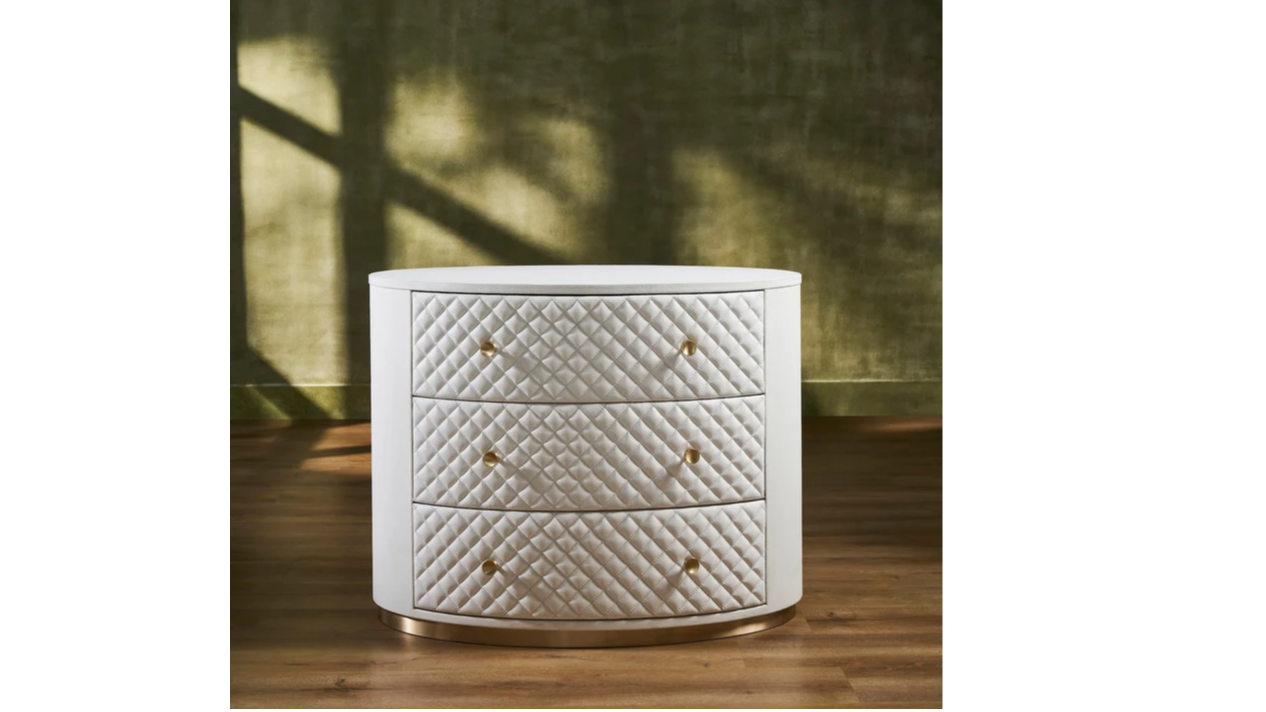
Consider a reclaimed wood sideboard priced at $1,562.99, built from premium reclaimed mango wood with a supporting iron frame. A piece like this can realistically serve a home for 40 years. Compare that to a $400 mass-produced sideboard that needs replacing roughly every five years. Over four decades, the cheaper option gets bought again and again, while the handcrafted piece just keeps developing character. This comparison illustrates lifecycle value clearly: buy once, buy well, and the yearly cost quietly favors the piece that was built to last in the first place. Anyone weighing this decision for their own space can look to the artisan collection for a sense of what that kind of craftsmanship looks like in practice.
The math is simple. Dividing total cost by years of useful life shows how quickly cheap furniture adds up when it needs constant replacing.
Why Materials Decide Furniture Lifespan
Furniture lifespan is tied directly to what it is made from and how carefully it is assembled. This single factor explains more about a piece’s staying power than style, brand, or price tag alone.
Solid Wood vs Particleboard and MDF
Solid wood furniture typically lasts 20 to 50 years or more with reasonable care, and in many cases can remain in use well past a century. Particleboard and MDF, common in mass-produced pieces, tend to wear down and require replacement much sooner. The difference comes down to structure: solid wood holds screws and joints firmly and can be repaired or refinished, while composite materials tend to crumble, swell with moisture, or lose structural integrity once stressed.
Mass-produced furniture leans on these cheaper materials because they are fast and inexpensive to manufacture at scale. That approach keeps prices low upfront, but it shortens the life of the piece considerably.
Joinery and Construction Precision
Artisan furniture makers rely on traditional joinery, precise measuring, and hand-finishing to build pieces that hold together under years of daily use. Assembly-line manufacturing, by contrast, prioritizes speed and standardization over the kind of structural precision that keeps a piece stable for decades. That difference in construction philosophy shows up eventually, usually right around the time a mass-produced piece starts to wobble, sag, or separate at the seams.
The Real Lifecycle Cost Comparison
Lifecycle cost looks past the price tag and asks how much a piece truly costs per year of use. A $1,562.99 sideboard used for 40 years costs far less annually than a $400 piece replaced every five years, once repeated purchases are factored in. That is the essence of lifecycle thinking: durability converts a larger upfront investment into long-term savings and fewer trips to the landfill.
This kind of framing also shifts how furniture gets chosen in the first place. Instead of asking what the cheapest option today looks like, the better question becomes what a piece will actually cost over the next twenty years.
Sustainability Gap Between Making Methods
How furniture gets made matters almost as much as what it’s made from for environmental impact.
Local Sourcing and Minimal Waste
Artisan workshops typically use minimal machinery and produce relatively little waste. Many source materials locally and lean on eco-friendly finishes, which shortens supply chains and reduces the resources spent on transportation and processing. Choosing locally made, handcrafted furniture is one of the more direct ways a household can lower its footprint without changing its lifestyle.
Mass Production’s Resource Toll
Mass production prioritizes cost-efficiency and speed, which tends to increase resource consumption and waste. Cheaper materials like particleboard wear out sooner, meaning more raw material gets consumed over time just to keep replacing worn-out pieces. Environmental researchers have connected high demand for low-cost furniture to deforestation and broader environmental degradation, since mass manufacturers often source wood and wood-composite materials at large volume with less attention to origin.
How Artisan Pieces Fit 2026 Quiet Luxury
Quiet luxury has become the defining aesthetic of 2026 interiors, favoring soft palettes, tactile surfaces, and understated silhouettes over anything flashy. Artisan furniture and textiles fit naturally into that mood. A hand-carved sideboard or a hand-spun merino throw brings depth to a room without demanding attention, and the subtle variations that come from handmade work read as authenticity rather than imperfection.
This pairing reflects a natural alignment. Quiet luxury favors restraint and longevity over novelty and short trend cycles, matching what artisan craftsmanship already delivers: pieces meant to be lived with for decades.
Curating Handcrafted Pieces with Intention
Building a home filled with handcrafted furniture works best as a gradual, thoughtful process rather than a single shopping trip.
Anchor with One Statement Piece
A single artisan-made item, such as a carved sideboard or a sculpted coffee table, can organize an entire room. Letting that piece set the tone makes it easier to choose everything else around it, from textiles to smaller accents.
Verify Ethical and Sustainable Sourcing
Before committing to a piece, it helps to ask where the materials came from and how the makers were treated. Certifications and transparent sourcing information are the clearest signals that a claim of craftsmanship or sustainability holds up to scrutiny, rather than existing as marketing language alone.
Build the Collection Slowly
Curating handcrafted decor is a gradual process rather than a single purchase. Adding meaningful pieces over time, rather than furnishing an entire room at once, keeps the collection feeling authentic and lets each item earn its place.
Durability, Not Price Tags, Defines Lasting Value
The sticker price on a piece of furniture tells only part of the story. What matters more over time is how long that piece lasts, how it ages, and how many times it needs replacing along the way. Solid wood, careful joinery, and thoughtful sourcing consistently outperform cheaper materials and assembly-line shortcuts on every one of those measures. For anyone ready to start building a more intentional, longer-lasting home, looking into handcrafted furniture is a practical place to begin.
Fluent Trends
10650 Roe Avenue
Ste 147
Overland Park
Kansas
66207
United States


