
Pain Relief Takes a Balanced Approach as Point Cook Physical Highlights Gentle, Effective Body Care Options
Seabrook, Australia – October 23, 2025 / Point Cook Physical /
Moving Beyond Pain With Confidence
In a world where daily stress and physical strain affect almost everyone, many are turning to holistic and movement-based options for pain relief. Massage Point Cook has become a trusted way for locals to ease discomfort, improve mobility, and regain balance in our routines. Point Cook Physical’s latest discussion sheds light on how combining massage, physiotherapy, and osteopathy can support recovery and enhance overall wellbeing. Each method offers unique benefits, whether it’s restoring flexibility, easing muscle tension, or improving posture, helping individuals move more freely and feel more in control of their health journey.
If you’ve been living with pain, whether it’s from a lingering back issue, a recent injury, or a chronic condition, you’ve probably wondered:
“Who should I see first? A physio? An osteo? Maybe try a massage? Or should I get a referral from my GP?”
With so many treatment options available, it can be overwhelming to know where to start. This blog will break down some of the most common pain management approaches, explain how they work, and help you make a confident, informed decision that suits your needs.
Understanding Your Pain: Acute, Chronic, or Functional
Pain can show up in many forms. You might be dealing with:
- A recent injury (like a sprained ankle or shoulder strain)
- Chronic musculoskeletal pain that flares up regularly
- Work-related tension, especially in the neck and shoulders
- Postural imbalances or mobility issues
- Or even a mix of these
Understanding whether your pain is acute (new), chronic (ongoing), or functional (related to movement and posture) can help guide your treatment.
If you’re unsure, a healthcare provider such as a physiotherapist, osteopath, or your GP can help assess what’s going on beneath the surface.
Physiotherapy: Movement-Based Recovery
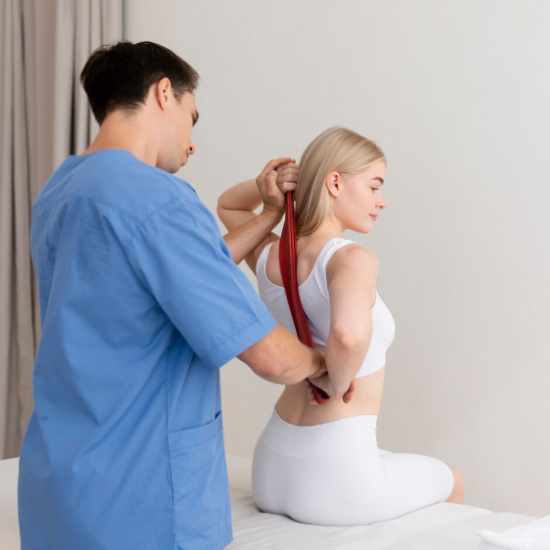
Physiotherapy focuses on restoring movement, strength, and function—especially after injury or in cases of chronic pain.
Common conditions physiotherapy may help with:
- Sports and workplace injuries
- Chronic neck, back, or joint pain
- Post-surgery rehabilitation
- Tendonitis or repetitive strain
- Mobility limitations due to posture or age
Treatment techniques may include:
- Targeted exercise therapy
- Joint mobilisation
- Dry needling
- Posture and movement education
- Manual therapy to reduce pain and improve range of motion
Physiotherapists work closely with patients to build strength, correct movement patterns, and reduce re-injury risks. It’s a proactive, education-focused approach that may be particularly helpful if your goal is long-term improvement.
📖 Learn more about physiotherapy for chronic pain

Osteopathy: A Hands-On, Whole-Body Approach
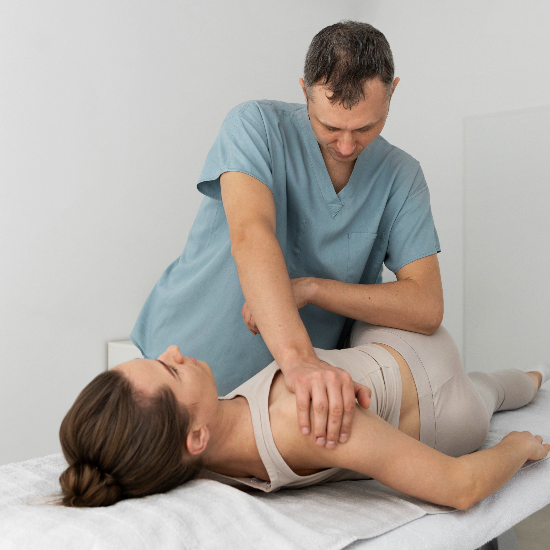
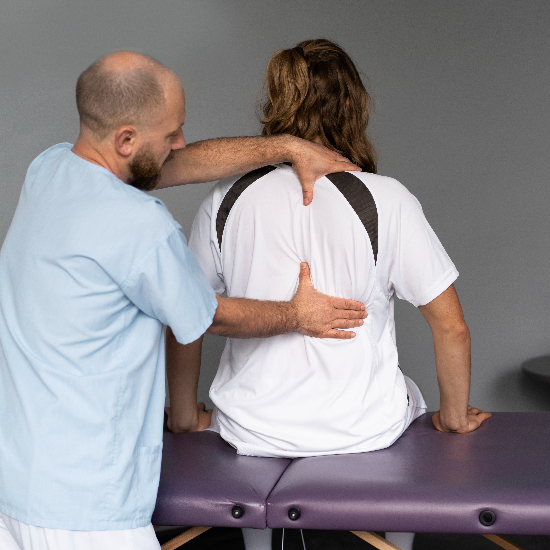
Osteopaths take a whole-body perspective when treating pain, often working with both the joints and surrounding tissues to improve movement and function.
When osteopathy may be suitable:
- Generalised joint or muscle pain
- Headaches linked to posture or tension
- Persistent back or pelvic pain
- Functional movement restrictions
- Discomfort during pregnancy
Osteopathic techniques may include:
- Soft tissue massage
- Gentle joint manipulation or articulation
- Muscle stretching and release
- Lifestyle and movement advice tailored to your body
An osteopath might be a good first step if your pain feels “stuck” or if you’re unsure whether it’s joint, muscular, or nervous-system related.
📖 Explore all our osteopathy and physio services
Remedial Massage: Supporting Relaxation and Recovery
Massage therapy can be a powerful part of pain management—especially when it comes to muscular tension, recovery, and stress-related discomfort.
Remedial massage may help with:
- Muscle tightness or spasms
- Post-exercise soreness
- Tension headaches
- Stress-related physical symptoms
- Complementary care with physiotherapy or osteopathy
Your massage therapist can focus on specific problem areas and use techniques that promote circulation, mobility, and relaxation. While it may not address the root cause of an injury, it often plays a valuable role in overall recovery.
Other Options: GP Referrals, Acupuncture & Self-Care
Pain is complex, and in some cases, a combination of approaches works best. Here are a few others you might consider:
GP Referrals & Medications
Your GP may help rule out underlying medical issues, refer you for imaging, or recommend pain-relieving medications. These are often used alongside allied health treatment.
Acupuncture or Dry Needling
These techniques may support pain reduction by targeting nerve pathways and muscle trigger points. Often used in physiotherapy or alongside massage, they’re best delivered by trained professionals.
Self-Care Strategies
Consistent movement, correct posture, workplace ergonomics, and gentle stretching can all help reduce ongoing discomfort. Education is key—and a practitioner can help tailor a routine that suits your body.
📖 Read more about managing work-related pain
How Do You Choose the Right Approach?
There’s no one-size-fits-all solution when it comes to pain relief.
At Point Cook Physical, we help guide you through your options. Sometimes one modality is enough. Other times, a combination of physiotherapy, osteopathy, and massage provides the best outcomes.
What matters most is:
- The type and source of your pain
- How long it been bothering you
- Your lifestyle, goals, and preferences
- A thorough assessment to identify the best path forward
You don’t need to figure it out alone—we’ll help you decide where to start, and work with you along the way.
Common Patient Questions
“Should I see a physio or an osteo first?”
- If your pain involves movement or strength issues, physio may be a good start. If it’s more generalised or hard to pinpoint, osteopathy might help.
“Is massage enough for chronic tension?”
- Massage may provide short-term relief but is often most effective when combined with physiotherapy or osteopathy.
“What if I’ve already tried something that didn’t work?”
- Don’t worry. Pain is complex. Sometimes it takes a different approach—or a team effort.
“Can I combine treatments?”
- Absolutely. Many of our patients benefit from integrating physio, osteo, and massage into their care plan.
“Do I need a GP referral?”
- You don’t need a referral to see us, but we’re happy to work with your GP or specialist as needed.
Final Thoughts
Pain can affect your work, mood, sleep, and confidence. But support is available, and there’s more than one way forward.
At Point Cook Physical, we offer physiotherapy, osteopathy, and remedial massage all under one roof. Our team will help assess your pain, guide your treatment choices, and support your goals, whether it’s to move more, hurt less, or simply get back to doing what you love.
Take the First Step Toward Better Movement
 Point Cook is a growing community in Melbourne’s western suburbs, known for its welcoming neighbourhoods, coastal charm, and access to quality health and wellness services. Point Cook Physical supports this vibrant area by offering Physiotherapy, Osteopathy, and Remedial Massage to help locals maintain mobility, manage discomfort, and enhance overall wellbeing in Point Cook and nearby suburbs.
Your path to feeling better begins with understanding your options. At Point Cook Physical, every session is guided by care, connection, and evidence-based practice. Speak with a massage therapist Point Cook to discover how massage, physiotherapy, and osteopathy can work together to support your recovery and comfort. Learn more about Comparing Pain Management Options: How Physiotherapy, Osteopathy & Massage Can Help on our website.


Contact Information:
Point Cook Physical
110 Point Cook Rd
Seabrook, VIC 3028
Australia
Damien De Caneva
+61 3 9369 9766
https://www.pointcookphysical.com.au/


Original Source: https://www.pointcookphysical.com.au/pain-management-option-like-massage-point-cook/